ParaThermic® High Heat Transfer (HHT) battery architecture represents a breakthrough in electric vehicle battery thermal management, battery cooling technology, and battery design.
By reengineering the internal structure of the cell, HHT batteries remove the internal heat bottlenecks that limit performance, safety, and battery life.
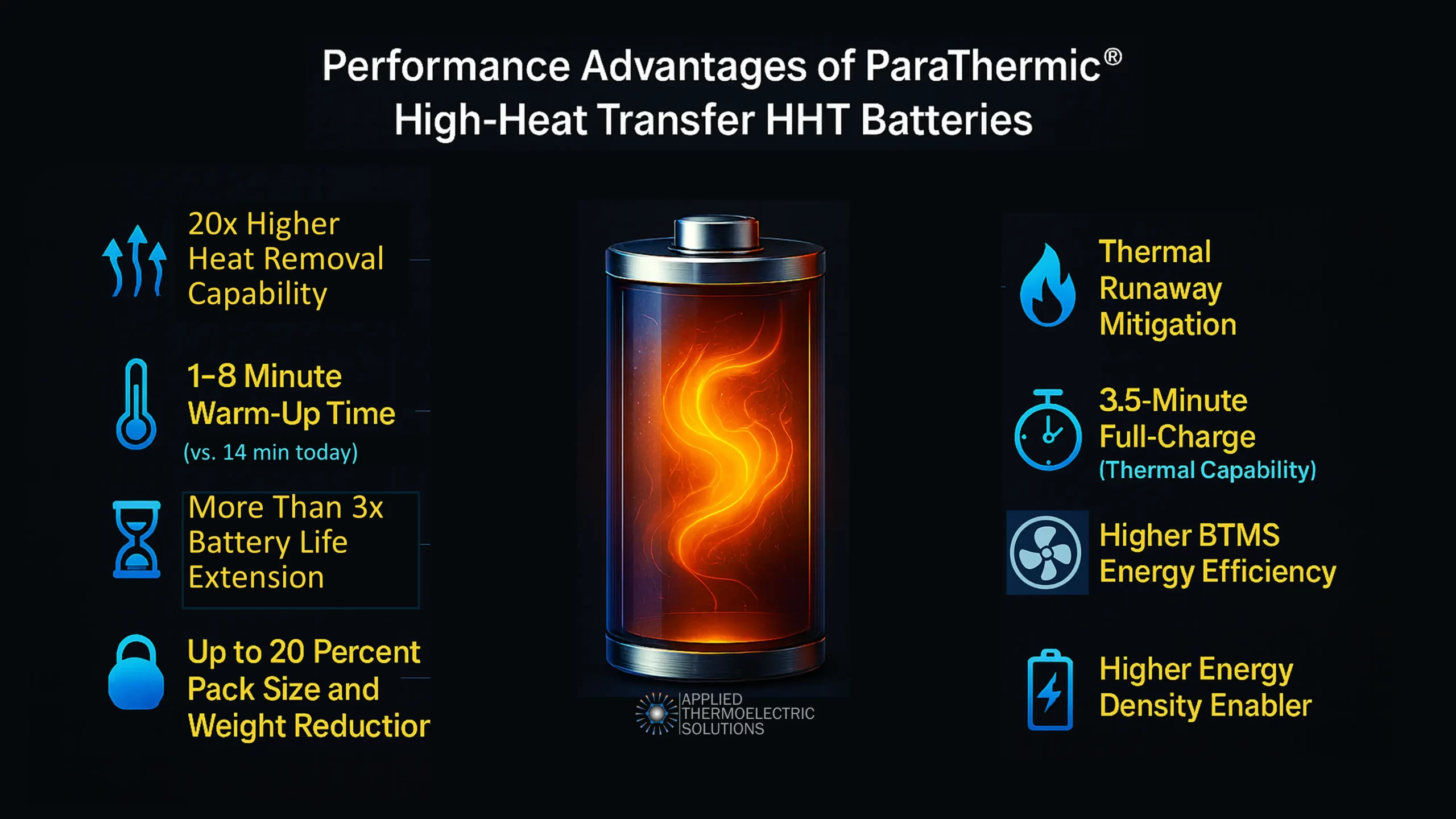
This innovation enables breakthrough gains in the key performance metrics customers care about most, including:
To understand ParaThermic® High-Heat Transfer (HHT) battery architecture, we first must recognize the limits of today’s batteries.
Electric vehicles are reaching a point where further improvements in safety, charging speed, cold weather performance, battery life, cost reduction, and reliability, all depend on better battery thermal management inside the battery.
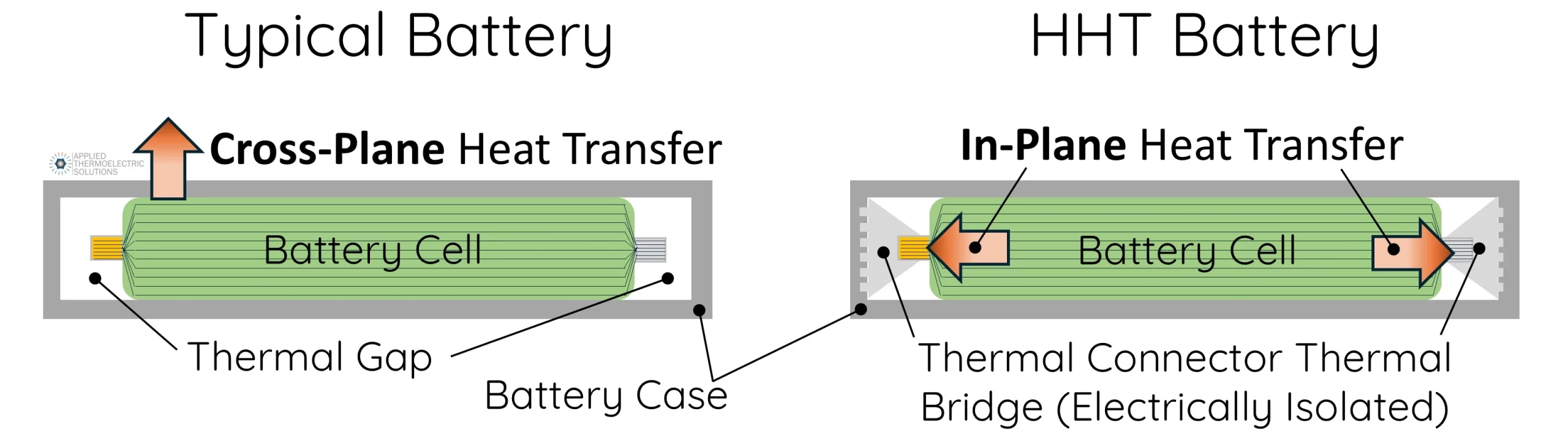
Current battery thermal management systems remove heat from the battery surface, but it must still travel through slow internal pathways within the cell. These internal thermal bottlenecks create a limit that affects real world vehicle performance, even with advanced EV battery cooling systems.
Even the most advanced battery cooling system cannot overcome this limitation
ParaThermic® batteries are specifically designed to solve this problem.
Cooling systems have become more advanced, but their improvement relies on further lowering the battery surface temperature to pull more heat from the interior. Once the allowable temperature difference in the cell is reached, the battery cannot be cooled any harder without increasing degradation or reducing safety margins.
At that point, the internal heat transfer pathway becomes the bottleneck. External cooling can only go so far when the interior of the cell limits how quickly heat can escape, restricting the capability of common battery thermal management systems.
This internal limit is being reached now, and it is preventing further gains in every major category of EV performance.
This is where the new ParaThermic® architecture changes everything.
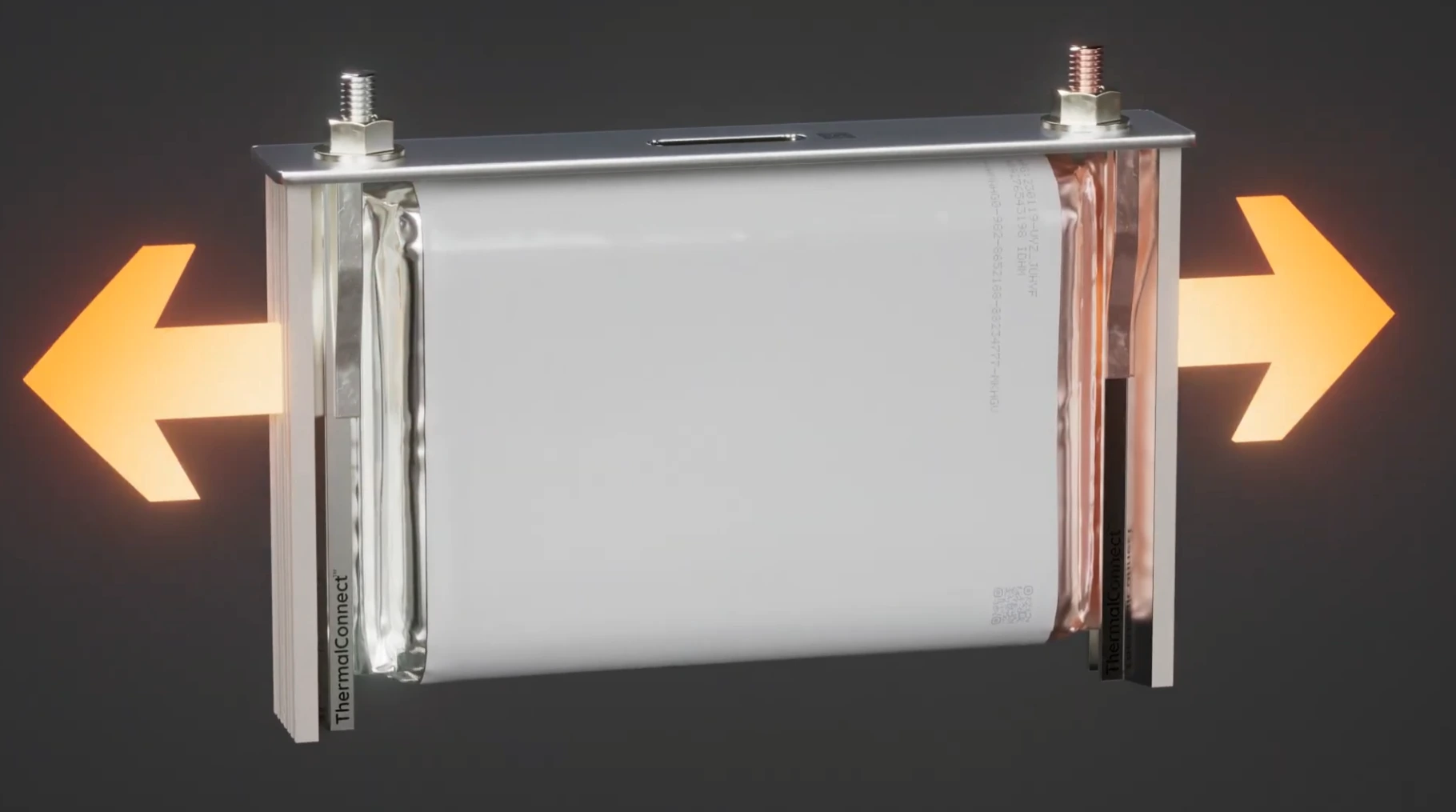
Heat inside a battery moves much faster and more uniformly along the plane of the internal layers than through the thickness of those layers. ParaThermic® batteries are designed to take advantage of this.
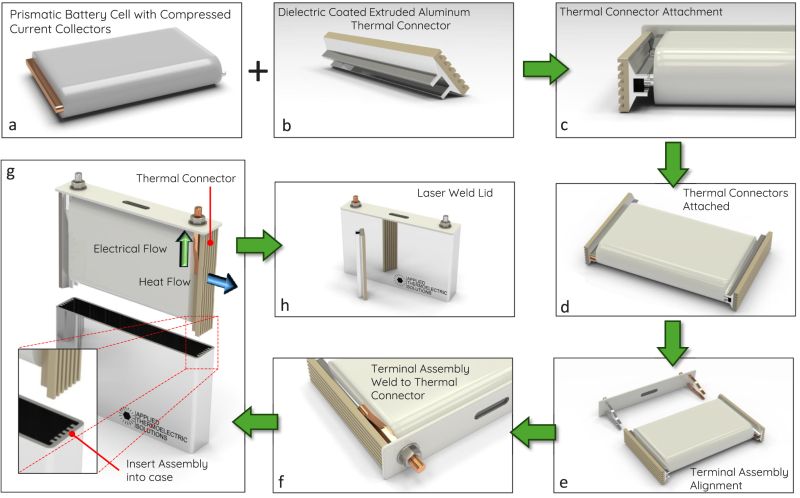
The architecture enables heat to flow in these faster paths, but also shortens the distance it must travel, and uses thermally conductive bridges to move heat efficiently to the outer case.
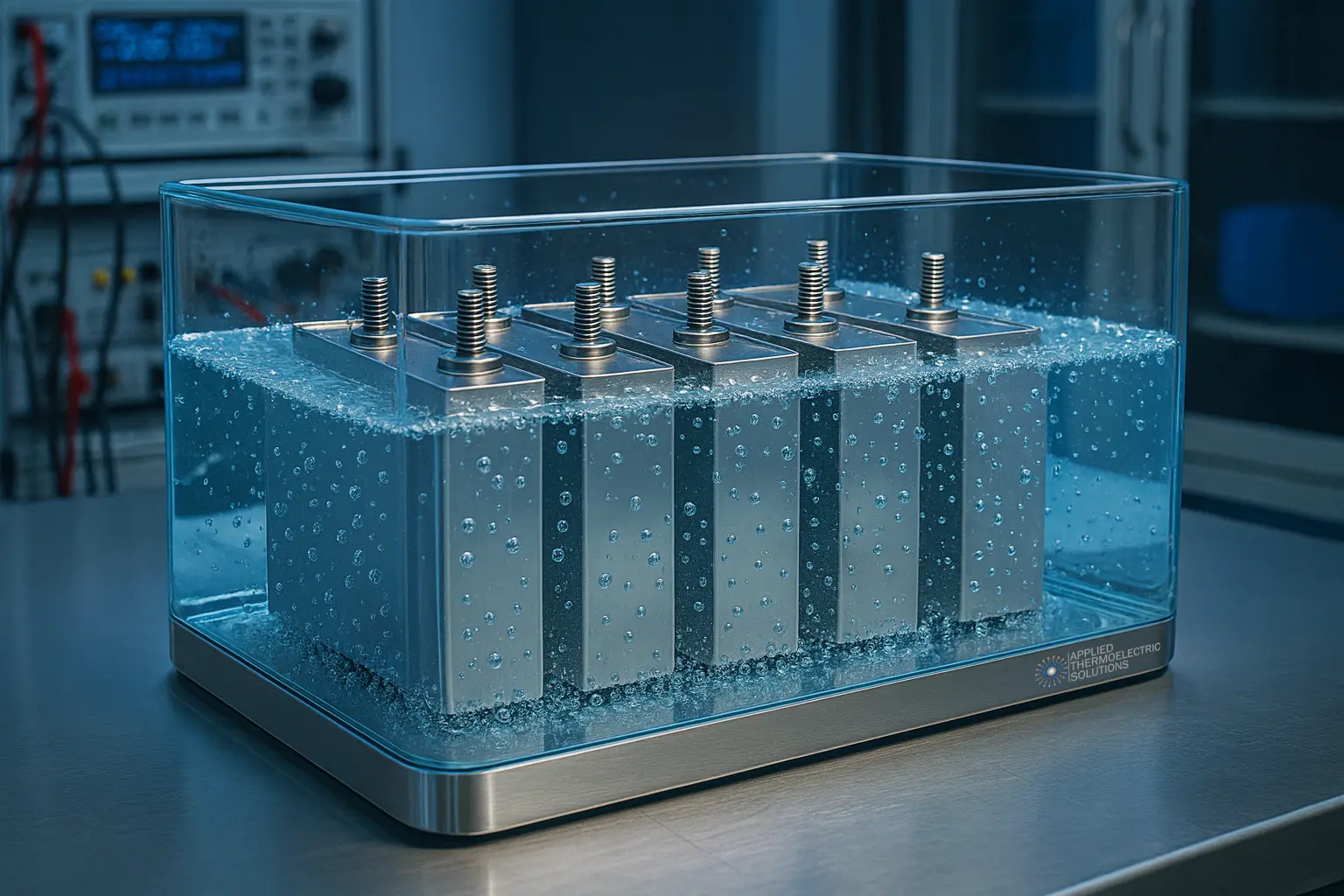
Engineered interfaces further improve heat flow from the interior to the battery pack cooling system, including air cooling, liquid cooling, refrigerant cooling, and immersion cooling.
The result is a battery that moves heat far more effectively from the inside out, enabling far better battery heat management under real operating conditions.
These internal improvements enable real-world performance gains that customers and manufacturers care about.
But these performance metrics matter only if the product can be reliably built and integrated. ParaThermic® batteries meets that test.
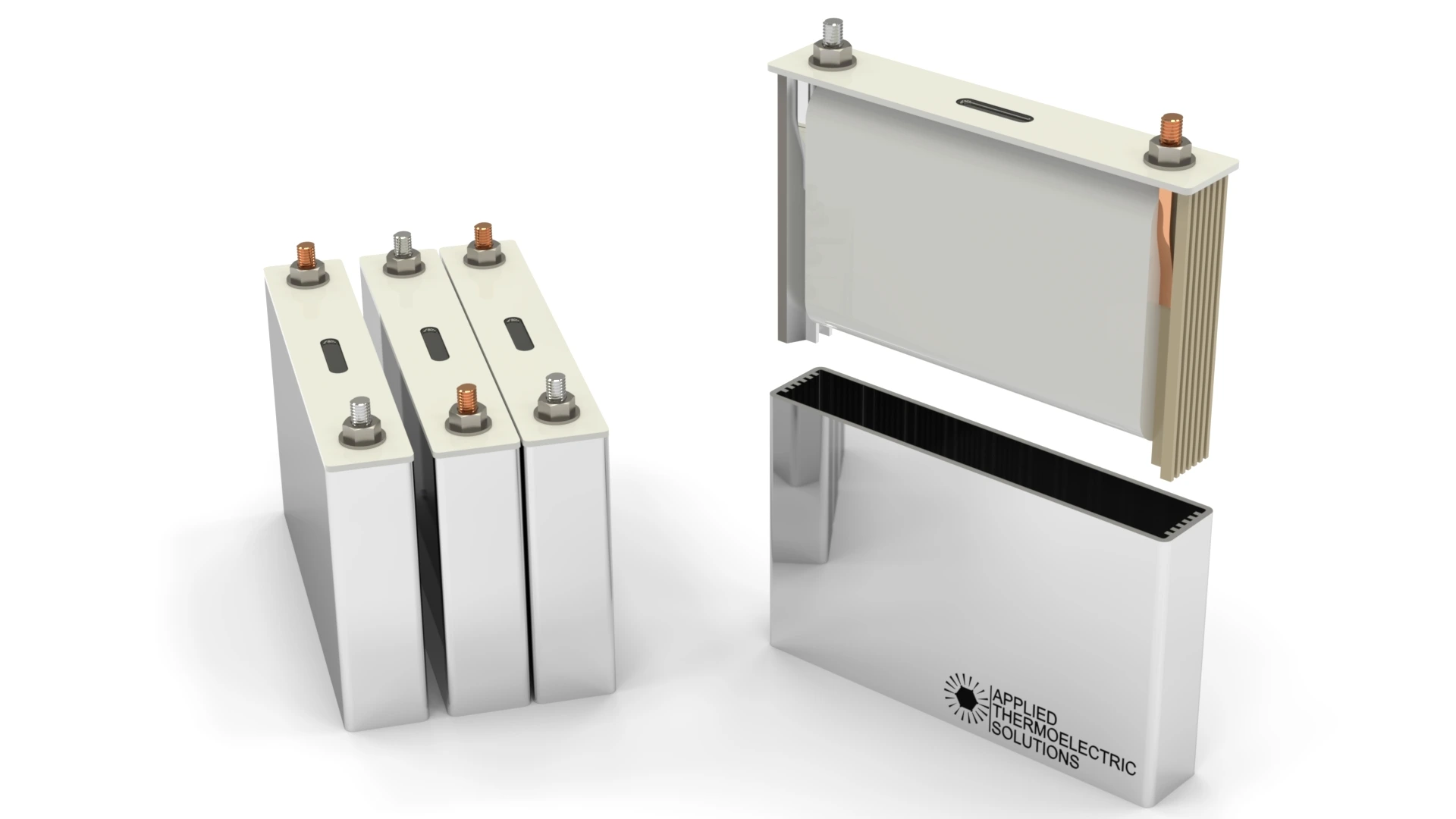
ParaThermic® batteries use conventional materials and manufacturing techniques. They work with existing lithium ion chemistries and work with all cell formats.
The architecture supports base cooling, integrates with the conventional side-cooled battery designs already used in vehicles, and also works with advanced side-cooling systems such as VoltaTherm®.
It can be integrated into any cooling system type, including air cooling, liquid cooling, refrigerant cooling, immersion cooling, and thermoelectric cooling, improving overall battery pack thermal management performance.
The underlying thermal principles have been validated through modeling and published research.
For those ready to dive deeper or begin evaluating applications, these resources will guide you