Thermoelectric Innovation Services
External thermoelectric innovation support for companies developing advanced cooling, power generation, battery thermal management, and thermal system technologies.
Most thermoelectric projects should begin with disciplined engineering. Feasibility analysis, modeling, simulation, module selection, heat exchanger design, controls, packaging, and prototype support can often identify a practical path forward.
In some cases, however, the required performance, safety, cost, size, efficiency, or integration target cannot be reached by refining the same architecture. The project may require a new heat-transfer pathway, thermal interface, system architecture, operating concept, or device-specific enabling technology.
Applied Thermoelectric Solutions provides Thermoelectric Innovation Services for these situations.
This service is designed for companies that need more than standard engineering support, but do not have specialized thermoelectric invention capability in-house. Applied Thermoelectric Solutions helps evaluate difficult technical problems, identify whether conventional approaches are sufficient, and develop new thermoelectric or thermal-system concepts when they are needed.
When Standard Thermoelectric Engineering Is Not Enough
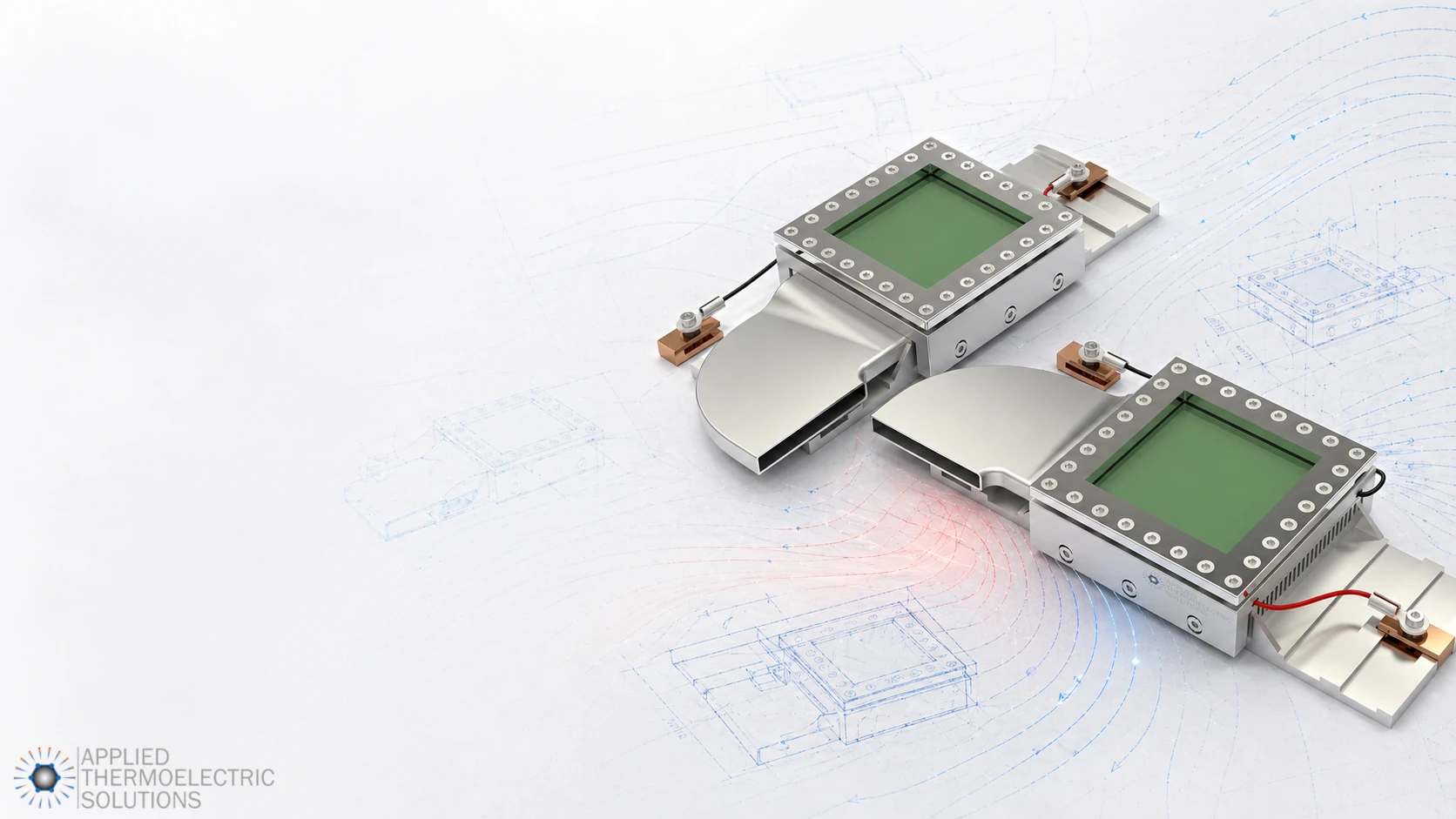
Many thermoelectric cooling, heating, power generation, and thermal management projects can be solved through careful engineering.
That may include:
- thermoelectric feasibility analysis
- thermal modeling and simulation
- module selection and operating-point evaluation
- heat sink, cold plate, or liquid-loop sizing
- interface and packaging analysis
- prototype development support
- system-level optimization
This is often the most efficient path.
But some projects reach a point where standard methods are not enough. A larger heat sink may not solve the problem. A different module may not provide the required performance. A lower temperature coolant may not be practical. A conventional battery cooling layout may not remove heat fast enough. A thermoelectric generator may require a different system architecture to become commercially meaningful.
In those cases, the limiting factor may not be execution. It may be the concept itself.
Thermoelectric Innovation Services are intended for projects where the architecture, interface, thermal pathway, or operating strategy may need to change.
Innovation That Complements Your Technology
Applied Thermoelectric Solutions innovation support is not about taking over a customer’s product or replacing internal engineering teams.
It is about developing specialized thermoelectric and thermal-system ideas that can complement the customer’s product, platform, or market opportunity.
A customer may already understand the application, product requirements, market need, or system-level constraints. Applied Thermoelectric Solutions brings focused thermoelectric expertise, first-principles thermal reasoning, and experience developing novel concepts for difficult cooling, heating, power generation, and battery thermal management problems.
When the right idea is found, it may help the customer move past a technical barrier that could otherwise prevent the product from reaching its required performance.
This is the value of a complementary innovation model:
- the customer keeps control of its product, application, and existing technology
- Applied Thermoelectric Solutions contributes specialized thermoelectric and thermal-system invention capability
- new Applied Thermoelectric Solutions-developed enabling technology can be licensed, partnered, or integrated under clear terms if both sides agree
- the customer is not obligated to license Applied Thermoelectric Solutions technology unless the solution and business case make sense
This creates a practical path for companies that need advanced thermoelectric innovation without building a full internal thermoelectric R&D group.
A Staged Path From Engineering to Innovation
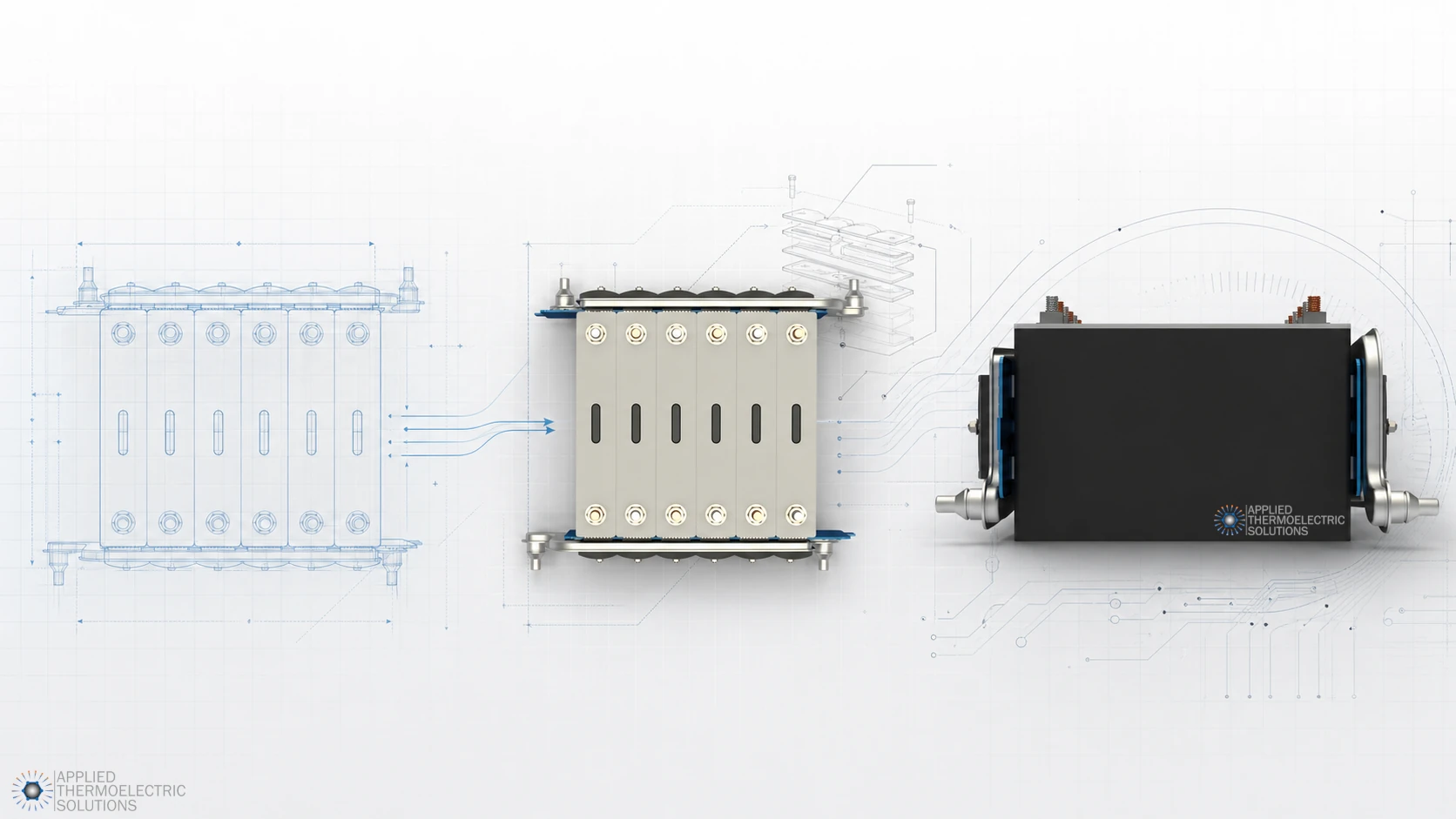
Applied Thermoelectric Solutions separates standard engineering work from invention development so projects can move forward efficiently.
A typical engagement may begin with standard thermoelectric engineering support. This may include feasibility analysis, modeling, design review, component evaluation, or technical direction. If the project can be solved through established engineering methods, there may be no need for a separate invention or licensing structure.
If the work shows that the project requires a new concept, system architecture, thermal interface, operating method, or protectable technical approach, Applied Thermoelectric Solutions can pause and define a separate innovation engagement.
This staged model helps avoid ambiguity.
Standard engineering work remains focused on analysis, modeling, optimization, and practical technical support. Invention development, new intellectual property, licensing, exclusivity, commercialization rights, and related legal work are addressed separately and deliberately before that work proceeds.
Client Perspective
“Applied Thermoelectric Solutions was instrumental in helping refine the key questions and shape a comprehensive feasibility study that moved us from concept to practical evaluation. Their expertise in thermoelectric technologies, coupled with their ability to integrate scientific and economic factors, was invaluable.”
Diane Mero
Founder and CEO, STEMero
No Obligation to License Unless the Solution Makes Sense
Thermoelectric innovation work can create valuable technology, but it does not need to force a licensing outcome.
If Applied Thermoelectric Solutions develops or proposes proprietary enabling technology, the customer is not automatically required to license it. The customer can evaluate whether the technology, commercial terms, application fit, and business case make sense.
If there is alignment, Applied Thermoelectric Solutions and the customer can define an appropriate licensing, co-development, or partnership structure.
If there is not alignment, the customer can continue pursuing other approaches.
The purpose is not to force a licensing agreement. The purpose is to make advanced thermoelectric innovation available when conventional engineering approaches are not enough.
What Applied Thermoelectric Solutions Can Help Develop
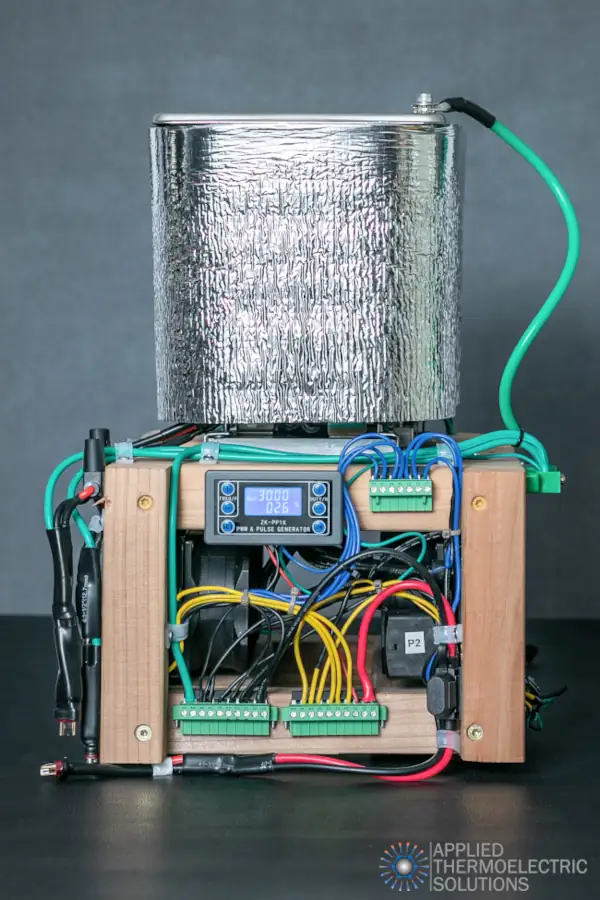
Thermoelectric Innovation Services may support early-stage concept generation, technical feasibility, system architecture, and invention development for applications involving:
- custom thermoelectric cooling systems
- solid-state cooling
- thermoelectric generator systems
- waste heat recovery concepts
- battery thermal management
- EV battery cooling concepts
- localized or distributed cooling
- precision temperature control
- thermal interface and heat-transfer architecture
- hybrid thermal systems
- compact thermal management systems
- product-specific cooling, heating, or energy-conversion concepts
The work may involve technical evaluation, concept screening, first-principles analysis, modeling, early architecture development, or identification of new design directions that are not obvious from standard component selection alone.
Examples of Applied Thermoelectric Solutions Innovation

Applied Thermoelectric Solutions is not only a thermoelectric consulting firm. The company also develops original thermoelectric and thermal-system technology.
Examples of Applied Thermoelectric Solutions innovation include:
ParaThermic® High-Heat Transfer Lithium-Ion Battery Technology
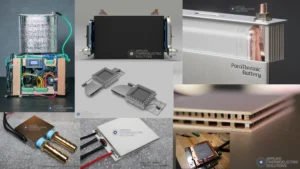
ParaThermic® technology focuses on reducing internal battery thermal resistance rather than relying only on colder external cooling surfaces. The concept is intended to improve heat removal by changing how heat moves through the battery structure.
ThermalConnect® Thermal Bridge Concepts
ThermalConnect® concepts focus on creating improved internal thermal pathways between battery components and the external cooling system. These concepts are part of Applied Thermoelectric Solutions’ broader work in high-heat-transfer battery architecture.
VoltaTherm® Distributed Solid-State Battery Thermal Management
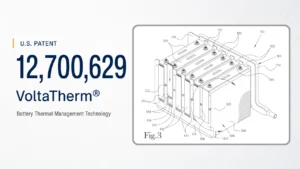
VoltaTherm® is an Applied Thermoelectric Solutions concept for distributed thermoelectric battery thermal management, using solid-state temperature control to support advanced battery applications.
PowerBeam™ Thermoelectric Generator Wireless Power Transfer
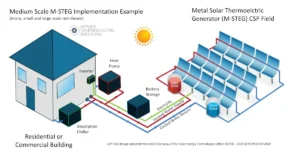
PowerBeam™ explores thermoelectric generator-based wireless power transfer and solid-state energy-conversion concepts.
Patent and Publication Record
Applied Thermoelectric Solutions founder Alfred Piggott has developed a broad portfolio of thermoelectric and thermal-system inventions, patents, publications, and technical concepts across cooling, power generation, battery thermal management, and system-level thermoelectric applications.
One example of earlier battery thermal management invention work is a graphite thermoelectric battery cooling patent developed by Alfred Piggott while working at Gentherm. The concept used pyrolytic graphite heat spreaders, resistive heating, and thermoelectric devices for integrated battery heating and cooling.
These examples show the type of technical thinking Applied Thermoelectric Solutions brings to difficult customer problems: not just component selection, but new system architectures and enabling technologies.
Who This Service Is For
Thermoelectric Innovation Services are best suited for organizations that have a real technical challenge, product opportunity, or R&D objective involving thermoelectric or advanced thermal systems.
This may include:
- OEM engineering teams
- product development groups
- battery companies
- automotive and aerospace R&D teams
- electronics cooling teams
- energy harvesting and power generation teams
- companies exploring solid-state cooling
- organizations evaluating thermoelectrics for a new product
- teams that need outside thermoelectric expertise without hiring a full internal group
This service is especially relevant when a company has a promising product direction but is unsure whether thermoelectrics can meet the required performance, packaging, safety, efficiency, or cost targets.
When This May Not Be the Right Fit
Not every project requires innovation services.
This may not be the right fit if you only need:
- a component quote
- a standard thermoelectric module recommendation
- a simple heat sink calculation
- a supplier catalog review
- routine technical feedback without deeper analysis
- a work-for-hire invention arrangement under a standard consulting scope
In many cases, Applied Thermoelectric Solutions can still help through standard thermoelectric engineering, modeling, feasibility, or design support.
Thermoelectric Innovation Services are intended for situations where the problem may require new technical concepts, not only refinement of an existing design.
How This Relates to Applied Thermoelectric Solutions Engineering Services
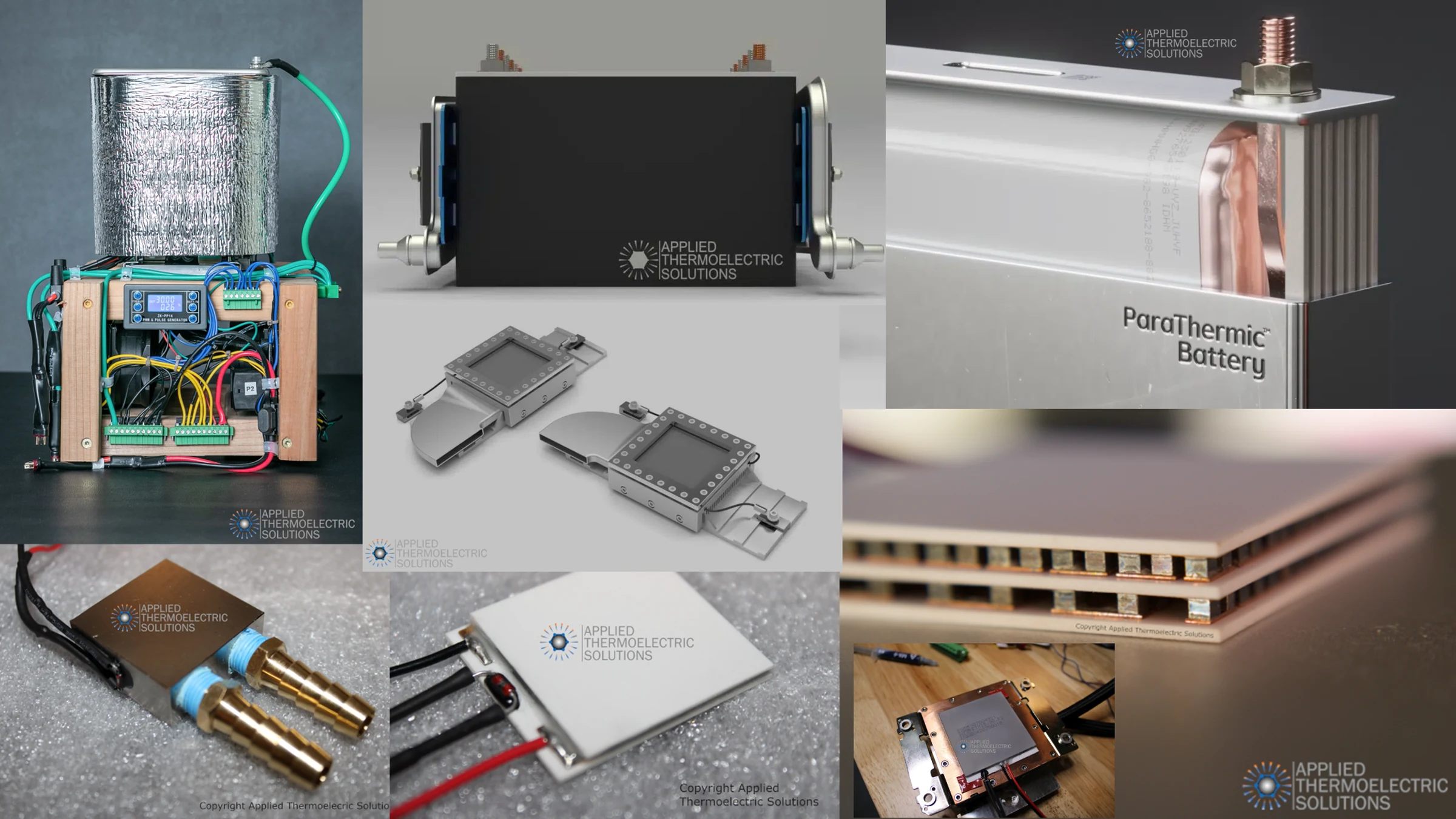
Thermoelectric Innovation Services are closely connected to Applied Thermoelectric Solutions’ broader engineering services.
A project may begin with:
- thermoelectric feasibility analysis
- design and simulation services
- thermoelectric system development
- prototype development support
- battery thermal management evaluation
- custom thermoelectric solution development
If standard engineering methods are sufficient, the project can remain within that scope.
If the project requires a new architecture, interface, operating concept, or Applied Thermoelectric Solutions-developed enabling technology, the work can transition into a separate innovation pathway with clear commercial terms.
This structure gives customers a practical starting point while preserving a path to more advanced innovation if the technical challenge requires it.
Start With the Technical Problem
The best way to begin is usually not with an IP discussion. It is with the technical problem.
Applied Thermoelectric Solutions can first help determine whether the challenge appears solvable through standard thermoelectric engineering methods or whether a more innovative approach may be needed.
If the project can be solved through established analysis and optimization, that is often the most efficient path.
If the project appears to require new technology, Applied Thermoelectric Solutions can outline a separate innovation engagement, including the technical objective, commercial structure, ownership considerations, and licensing or partnership options.
Discuss a Thermoelectric Innovation Challenge
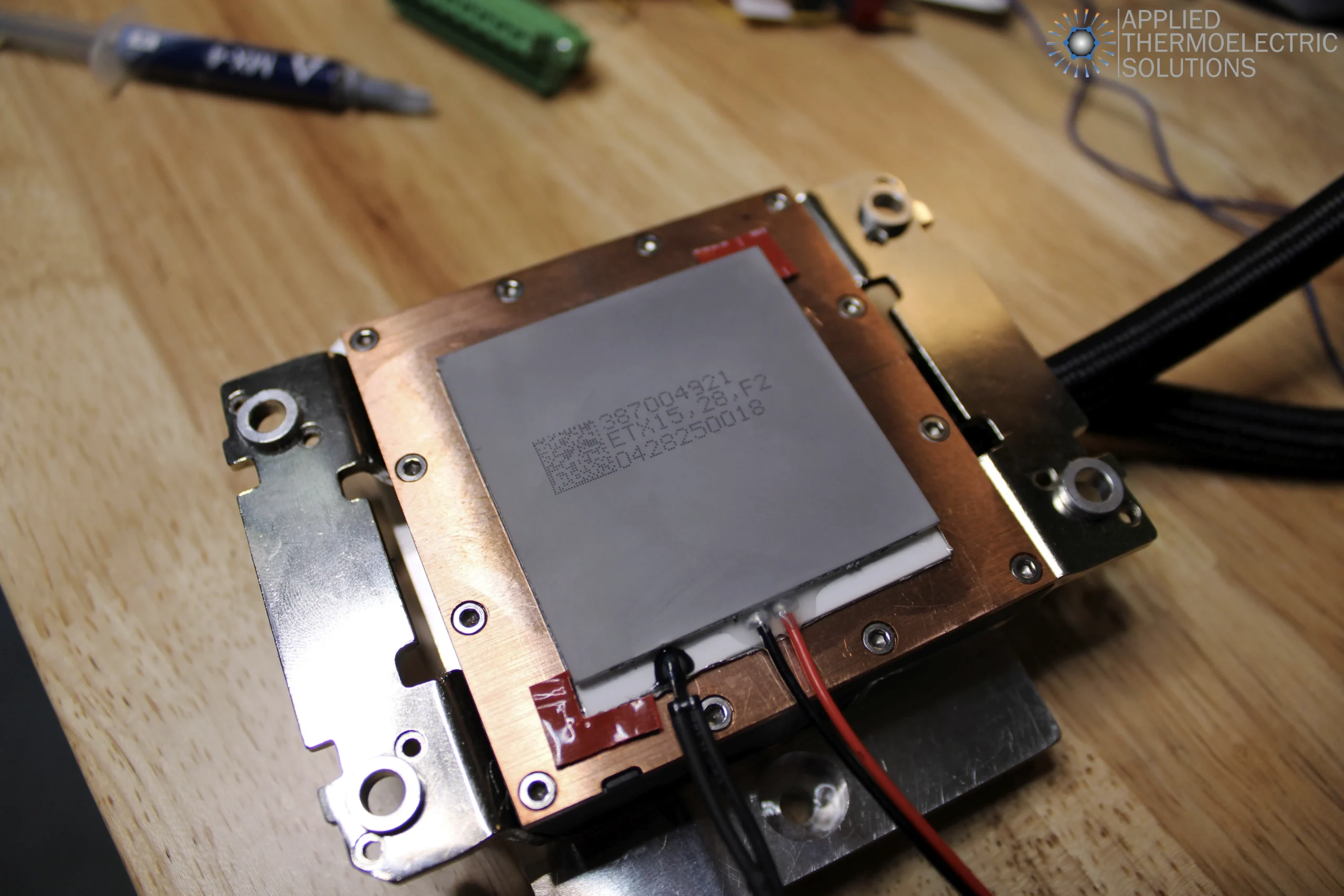
If your team is developing an advanced cooling, power generation, battery thermal management, or thermal system technology and standard approaches are not meeting the target, Applied Thermoelectric Solutions can help evaluate the technical path forward.
Start with the problem. Applied Thermoelectric Solutions can help determine whether disciplined engineering is enough or whether the project may require a new thermoelectric architecture, interface, or enabling technology.
Frequently Asked Questions About Thermoelectric Innovation Services
What are Thermoelectric Innovation Services?
Thermoelectric Innovation Services are advanced technical support engagements for companies developing cooling, heating, power generation, battery thermal management, or thermal system technologies that may require new concepts or architectures. The service can include concept development, feasibility evaluation, system architecture, technical problem solving, and invention development when standard engineering methods are not enough.
How is this different from standard thermoelectric engineering support?
Standard thermoelectric engineering support focuses on analysis, modeling, design optimization, module selection, heat transfer, controls, packaging, and prototype guidance using established engineering methods. Thermoelectric Innovation Services are used when the project may require a new architecture, thermal interface, heat-transfer pathway, operating method, or protectable technical concept.
Does every project require invention or new intellectual property?
No. Many thermoelectric projects can be solved through standard engineering methods. Applied Thermoelectric Solutions typically recommends starting with the technical problem and evaluating whether conventional analysis, modeling, or system optimization is sufficient. Innovation work is considered when the project appears to require something beyond standard engineering.
Does the customer have to license Applied Thermoelectric Solutions technology?
No. If Applied Thermoelectric Solutions develops or proposes proprietary enabling technology, the customer is not automatically required to license it. Licensing, co-development, partnership, exclusivity, or commercialization terms are considered only if the technology is useful, the business case makes sense, and both parties agree to proceed.
Does Applied Thermoelectric Solutions take ownership of the customer’s technology?
No. Applied Thermoelectric Solutions does not take ownership of the customer’s pre-existing product, application, market, data, or background technology. Applied Thermoelectric Solutions protects its own background intellectual property and any company-developed enabling technology unless separate written terms define otherwise.
What types of companies are a good fit for this service?
This service is best suited for OEMs, R&D teams, product development groups, battery companies, automotive and aerospace teams, energy technology companies, and organizations evaluating thermoelectrics for advanced cooling, heating, power generation, or battery thermal management applications.
Can Applied Thermoelectric Solutions help if we are not sure whether thermoelectrics are the right approach?
Yes. Applied Thermoelectric Solutions can begin with feasibility analysis or technical review to determine whether thermoelectrics are suitable for the application. If standard thermoelectric engineering is sufficient, the project can remain in that scope. If a more novel approach is needed, Applied Thermoelectric Solutions can discuss a separate innovation pathway.
What are examples of Applied Thermoelectric Solutions innovation?
Examples include ParaThermic® High-Heat Transfer lithium-ion battery technology, ThermalConnect® thermal bridge concepts, VoltaTherm® distributed solid-state battery thermal management, PowerBeam™ thermoelectric generator wireless power transfer, and other patented or patent-related thermoelectric and thermal-system concepts.
How do we start?
The best starting point is a technical discussion about the application, performance target, constraints, and current development status. Applied Thermoelectric Solutions can help determine whether the challenge is best addressed through standard thermoelectric engineering support or whether a separate innovation engagement may be appropriate.
Links that May Interest You
- Custom Thermoelectric Solutions
- Thermoelectric Design and Simulation Services
- Thermoelectric System Development
- Our Thermoelectric Cooling and Generator Work
- Thermoelectric Cooling Prototype Case Study
- Solar Thermoelectric Generator Case Study
- How Thermoelectric Cooling Works
- How Thermoelectric Generators Work
- ParaThermic® Battery Thermal Management Technology
- VoltaTherm® Battery Thermal Management System (BTMS)
- PowerBeam™ Wireless Power Transfer Technology
- Battery Thermal Management | After Immersion Cooling